Making the Leap: How to Transition from Online Poker to a Real Poker Table
Poker is a game that has captivated millions, both online and in brick-and-mortar casinos. The rise of online poker over the last two decades has introduced a new generation of players to the thrill of the game. In 2023 alone, the global online poker market was valued at approximately $94 billion, with over 100 million active players worldwide. But for many, the digital experience is just the beginning—sitting down at a real poker table for the first time is a rite of passage, filled with excitement and, often, nerves.
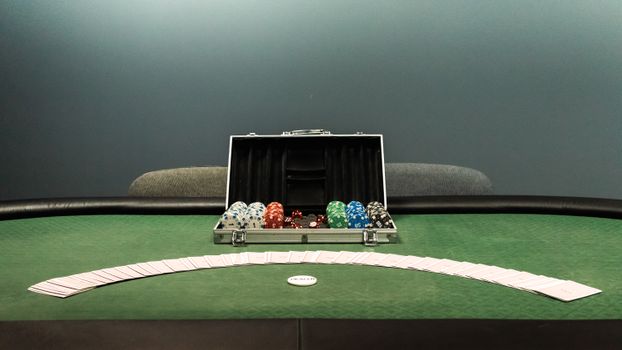
Transitioning from the virtual felt to a live game involves more than simply understanding the rules. The real poker table introduces new variables: physical tells, social dynamics, chip handling, and the tactile sensation of cards in your hands. If you’re an online grinder ready to take the plunge into live poker, this guide is for you. We’ll explore the key differences, practical tips, and psychological shifts that will help you succeed at the real-life felt.
The Key Differences Between Online and Live Poker
Before you make your debut at the casino or local card room, it’s crucial to understand how the live game diverges from online play. Here are some of the most important changes you’ll encounter:
Game Pace: Online poker is fast. On average, you’ll see 60-80 hands per hour at a single table, and many players multi-table online. In contrast, live poker typically deals 20-30 hands per hour due to manual shuffling, dealing, and player actions.
Player Behavior: Online, players can be anonymous and rely on HUDs (Heads-Up Displays) for information. In live poker, you’ll interact directly with others and need to observe body language, speech, and betting patterns.
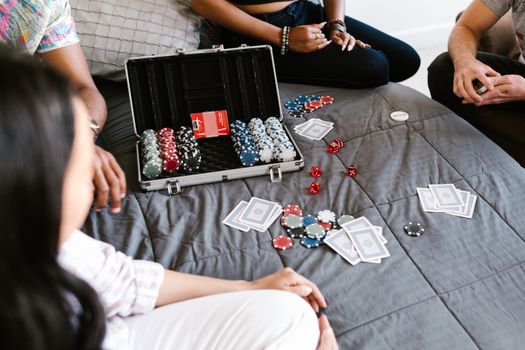
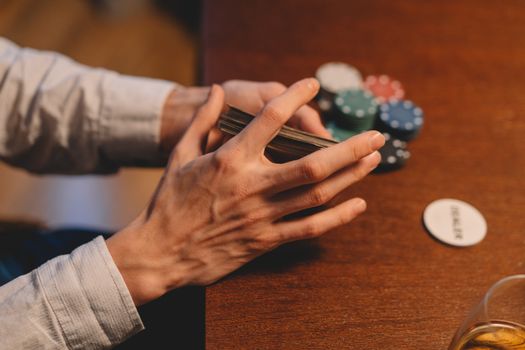
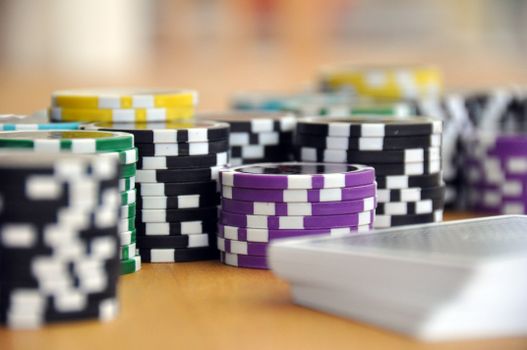
Physical Chips and Cards: Handling chips and cards is a tactile skill that takes getting used to. Mistakes like string betting or acting out of turn are common for newcomers.
Game Selection: Online sites offer a wide range of stakes, formats, and variants at all hours. Live poker tends to have fewer tables, often with higher minimum stakes and a more social environment.
Here’s a quick comparison:
| Aspect | Online Poker | Live Poker |
|---|---|---|
| Hands per Hour | 60-80 (per table) | 20-30 |
| Player Information | Anonymous, data-driven | Face-to-face, physical reads |
| Chip/Card Handling | Digital, automated | Manual, tactile skill required |
| Stakes/Formats | Wide variety, lower minimums | Limited, higher minimums |
| Social Interaction | Minimal | High, etiquette matters |
Mastering Live Poker Etiquette and Table Dynamics
One of the biggest shocks for online players is the unwritten code of conduct at real poker tables. Good table etiquette isn’t just polite—it can protect you from costly mistakes and embarrassment.
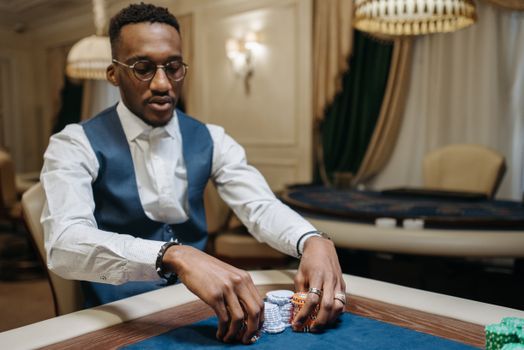
Chip Handling: Always keep your chips visible and stacked neatly—casino staff and other players need to see your chip count. Never splash the pot; instead, place your bet in front of you so the dealer can count it.
Acting in Turn: Unlike online play, where the software enforces order, live poker requires you to pay attention and act only when it’s your turn. Acting out of turn can reveal information and disrupt the game.
Verbal Declarations: When you announce your action (“call,” “raise,” “fold”), your word is binding. Develop the habit of clearly stating your intention before moving chips.
Protecting Your Hand: Use a card protector or a chip to keep your cards safe. If the dealer accidentally mucks your unprotected hand, it’s gone—even if you had aces.
Social Interaction: Friendly conversation is common, but don’t discuss hands in play or give advice to others during a hand. Respect the game and your fellow players.
Understanding and practicing these fundamentals will help you feel more comfortable and respected at the table.
Reading Physical Tells and Non-Verbal Clues
Online poker teaches you to focus on betting patterns and timing tells, but live poker introduces a new dimension: physical tells. These are subtle (or sometimes not-so-subtle) cues that reveal the strength of an opponent’s hand. According to a 2021 study by the University of Nevada, players who effectively read physical tells improved their win rate by up to 15% compared to those who relied solely on betting patterns.
Common physical tells include:
- Shaking hands: Often a sign of nervousness, which can indicate a strong hand. - Staring at chips: Players who look at their chips before betting may be preparing to bet or raise. - Quick glances at hole cards: New players often check their cards repeatedly, especially when they hit a strong hand. - Breathing patterns: Heavy or irregular breathing can signal excitement or anxiety.However, beware of “false tells”—savvy players may act to mislead observant opponents. The best approach is to establish a baseline by observing your tablemates’ normal behavior, then look for deviations during big hands.
Just as important as reading others is managing your own tells. Practice keeping a neutral demeanor, steady breathing, and consistent betting actions to avoid giving away information.
Adjusting Your Strategy for Live Play
The strategic landscape changes when you move from online to live poker. The slower pace, deeper stacks, and more social environment open up new opportunities—and challenges.
Play Fewer Hands: Live players tend to be more passive and play more hands than online grinders. Tighten up your starting hand selection and focus on value betting rather than elaborate bluffs.
Table Image: In live games, your reputation at the table affects how others play against you. If you’re seen as tight, you may get more action on your big hands; if you’re loose, expect more calls. Use this to your advantage by adjusting your style as needed.
Bankroll Management: Live games generally require a larger buy-in than low-stakes online tables. For example, many live 1/2 No-Limit Hold’em games have a $100-$300 buy-in, compared to $10 or less online. Be prepared for greater swings and bring enough bankroll to weather the variance.
Observe and Adapt: With fewer hands per hour, you’ll have more time to watch your opponents. Pay attention to how they play in different situations—who bets aggressively, who folds too often, who bluffs. Use this information to shape your decisions.
Focus and Patience: Distractions abound at a casino table—chatter, cocktail servers, and the constant background noise. Stay focused and patient, waiting for profitable spots rather than forcing action.
Practical Tips for Your First Live Poker Session
Preparation is key to easing nerves and making the most of your first live poker experience. Here’s a checklist to help you hit the ground running:
1. Familiarize Yourself with Local Rules: Every casino or card room has slight variations in rules, such as straddles, buy-in minimums, or betting structures. Call ahead or check their website for details. 2. Bring the Right Amount of Cash: Most live poker rooms are cash-only for buy-ins. Bring more than the minimum buy-in, but only risk what you can afford to lose. 3. Arrive Early and Observe: Watch a table before joining to get a feel for the pace, dealer style, and player personalities. 4. Practice Chip Handling at Home: Use poker chips to practice stacking, betting, and counting. This helps you avoid fumbling in front of others. 5. Control Your Emotions: Live poker can be intimidating, but remember that everyone was new once. Take deep breaths, stay calm, and remember you’re there to have fun and learn. 6. Tip the Dealer: In most North American casinos, it’s customary to tip the dealer $1-$2 when you win a pot. This small gesture is appreciated and part of good etiquette.Building Confidence and Enjoying the Live Poker Experience
Transitioning from online to live poker isn’t just about strategy—it’s about embracing the full experience. Live poker is social, immersive, and offers a unique blend of skill and luck. According to the American Gaming Association, 35% of first-time casino poker players return for another session within a month, often citing the atmosphere and camaraderie as key draws.
Don’t be too hard on yourself if you make a mistake, misread the board, or get nervous handling chips. Every live player has a story about an embarrassing blunder or awkward moment. With each session, you’ll gain confidence, refine your skills, and build new friendships.
The best way to grow as a player is to approach live poker with an open mind and a willingness to learn. Celebrate your small victories, reflect on your mistakes, and most importantly, savor the excitement of playing the game face-to-face.