The Art of Poker Face: Concealing Emotions for Strategic Advantage
The phrase “poker face” has transcended card tables and entered everyday language, becoming synonymous with the ability to keep one’s emotions hidden in high-stakes situations. In the world of poker, however, mastering the art of concealing emotions is not just a catchy metaphor—it’s a vital skill that can mean the difference between winning and losing. This article delves deep into the psychological, physiological, and practical aspects of developing a true poker face, exploring why it matters, how it’s achieved, and how its techniques can be applied beyond the felt.
The Psychology Behind the Poker Face
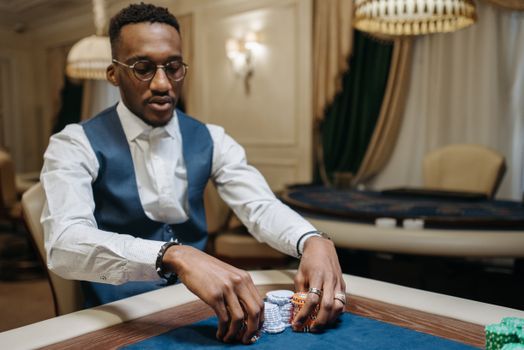
A poker face isn’t just about keeping a blank expression; it’s about controlling a complex interplay of nonverbal cues, micro-expressions, and involuntary responses. At its core, the poker face is a psychological strategy—a way to prevent opponents from gaining insight into your thoughts, intentions, or emotional state.
Research in human psychology suggests that up to 93% of communication is nonverbal, with facial expressions accounting for a significant portion of this. In poker, “tells”—involuntary reactions or habits that reveal valuable information—can be exploited by observant players. A 2016 study published in the Journal of Behavioral Decision Making found that players who could effectively mask their emotions increased their chances of success by up to 20% in competitive settings.
Moreover, the neural mechanisms behind facial control involve the prefrontal cortex, the part of the brain responsible for self-regulation. Training oneself to maintain a neutral demeanor, even under stress, requires both mental discipline and self-awareness. The psychological challenge is not only to hide excitement or disappointment but to do so when the stakes—and the pressure—are at their highest.
Physical Techniques: Mastering Your Facial Expressions and Body Language
While mental discipline is crucial, the art of the poker face is also deeply physical. The best players train their facial muscles and body language to avoid giving away any clues. Here are some core techniques used by professionals:
1. Micro-expression Control: Micro-expressions are brief, involuntary facial movements that can betray true feelings. According to Dr. Paul Ekman, a leading expert in facial expressions, most people unconsciously display micro-expressions that last just 1/25th of a second. Poker pros practice relaxing their facial muscles, especially around the eyes and mouth, to minimize these tells. 2. Breathing Regulation: Rapid or shallow breathing can signal anxiety or excitement. Controlled, slow breathing helps keep both heart rate and visible signs of tension in check. 3. Posture and Stillness: Fidgeting, shifting, or tapping fingers can indicate nervousness. The best players adopt a steady, relaxed posture, keeping their hands and arms still. Some even use props, like sunglasses or hoodies, to further mask possible tells. 4. Vocal Neutrality: While less often considered, voice modulation matters too. Speech patterns, tone, and even the speed of response can reveal confidence or insecurity. Top players practice neutral, consistent speech regardless of their hand strength. 5. Routine Creation: Repeating the same gestures (e.g., always taking a sip of water before acting) regardless of hand strength can help to create a baseline, making it harder for others to read into specific actions.Historical Examples: Poker Faces that Changed the Game
Throughout poker history, certain players have become legendary for their ability to conceal emotions and manipulate opponents with their demeanor. One of the most famous is Doyle Brunson, a two-time World Series of Poker Main Event champion, well-known for his stoic expression and unflappable presence at the table.
Another iconic example is Phil Ivey, often referred to as the “Tiger Woods of Poker.” Ivey’s unreadable face and calm, calculated manner have helped him amass over $31 million in live tournament winnings. In countless televised hands, commentators have remarked on his “stone-cold” reaction, regardless of whether he was holding the nuts or bluffing with nothing.
A 2012 analysis of televised poker events found that players with the fewest visible emotional reactions won an average of 15% more hands than their more expressive counterparts, underscoring the strategic value of the poker face in real-world outcomes.
Poker Face Beyond the Table: Applications in Business and Life
The skills required to develop a poker face are not limited to poker. In fact, they have broad applications in business negotiations, high-pressure careers, and everyday social situations. Here are a few areas where the poker face can offer a strategic advantage:
- Negotiations: In business, revealing too much emotion during a negotiation can weaken your position. A 2018 Harvard Business Review article reported that negotiators who maintained neutral expressions secured deals 10% more favorable than those who displayed enthusiasm or anxiety. - Conflict Resolution: Remaining calm and impassive in heated discussions can help deescalate tension and create an environment for rational problem-solving. - Leadership: Leaders who can conceal doubt or frustration often inspire more confidence in their teams, especially during crises. - Competitive Sports: Athletes across disciplines—from chess to tennis—use poker face techniques to avoid giving opponents a psychological edge.The table below highlights a comparison of how poker face skills are utilized in different settings:
| Setting | Common Purpose | Benefit | Key Techniques |
|---|---|---|---|
| Poker | Conceal hand strength/bluffs | Increased winnings, reduced tells | Facial control, stillness, vocal neutrality |
| Business Negotiation | Maintain bargaining power | Better deals, strategic advantage | Neutral expression, controlled tone |
| Sports | Disguise strategy/confidence | Opponent distraction, psychological edge | Body language control, routine actions |
| Everyday Life | Handle conflicts, surprises | Improved relationships, less manipulation | Calm demeanor, steady voice |
Training Your Poker Face: Step-by-Step Approaches
Just as poker champions spend hours practicing their game strategies, developing a strong poker face requires deliberate training. Here are several effective methods:
1. Mirror Practice: Spend several minutes each day practicing neutral expressions in front of a mirror. Experiment with relaxing your jaw, softening your eyes, and minimizing facial movement. 2. Video Feedback: Record yourself reacting to different scenarios or reading poker hands. Review the footage to spot involuntary reactions you might not notice in real time. 3. Mindfulness and Meditation: Regular mindfulness training can help increase awareness of your thoughts and emotions, making it easier to notice and suppress unwanted reactions during stressful moments. 4. Social Role-Playing: Engage in practice games or role-playing exercises with friends. Have them attempt to read your reactions, and adjust your responses based on their feedback. 5. Biofeedback Devices: Some professional players use wearable devices to monitor heart rate or skin conductance, helping them learn to physically control stress responses.According to a 2020 survey by the Global Poker Index, 38% of professional players reported engaging in some form of facial or body language training as part of their preparation for major tournaments.
Common Pitfalls and How to Avoid Them
Even experienced players and negotiators can fall into traps that undermine their poker face. Here are some typical mistakes and strategies to avoid them:
- Overcompensation: Trying too hard to appear emotionless can result in unnatural stiffness or a “forced” expression, which can be just as revealing as overt emotion. Aim for relaxed neutrality, not robotic stillness. - Unconscious Habits: Habits like tapping fingers, adjusting glasses, or biting lips can become tells if performed more often in certain situations. Regular self-observation is key to catching and correcting these. - Ignoring Context: A poker face should not make you seem cold or unapproachable in social settings where warmth is required. Mastery involves knowing when to employ or relax your neutral demeanor. - Fatigue: Maintaining a poker face for extended periods can be mentally exhausting, leading to lapses in concentration. Professional players often take short breaks to reset and recharge. - Focusing Only on the Face: Remember, the poker face extends to the entire body—posture, gestures, and even breathing patterns must be controlled to maintain the illusion.Final Thoughts on Perfecting the Poker Face
The art of the poker face is a nuanced and multi-dimensional skill, blending psychology, physiology, and performance. More than a blank stare, it’s a strategic tool that allows individuals to keep their intentions private, maintain composure under pressure, and exert subtle control over social interactions. Whether you’re a poker player seeking an edge, a business professional negotiating high-stakes deals, or simply someone looking to master your emotions, investing in poker face techniques can pay dividends in many areas of life.
As the game of poker continues to evolve, the ability to conceal one’s emotions remains a timeless advantage—one that separates true masters from the rest of the field.