Poker is often described as a game of skill, chance, and strategy. Yet, beneath the surface of card values and betting rounds lies a fascinating world that shapes every hand: the psychology behind a poker game. The mental processes, emotional control, and social dynamics at the poker table can be just as decisive as the cards you hold. Understanding the psychological principles at play in poker not only reveals why the game is so gripping, but also why some players consistently outperform others—regardless of luck. In this article, we’ll explore what truly happens in the minds of poker players, from reading tells and managing emotions to group psychology and decision-making under pressure.
The Mind Games of Poker: More Than Just Cards
While poker is played with a standard deck of 52 cards, the real action often takes place in the minds of the participants. Unlike most casino games, poker is a contest not only against the odds, but against other players’ intentions, perceptions, and psychological states.
At the heart of poker psychology is the constant interplay between perception and deception. Players must mask their true intentions while attempting to uncover the motives of others. This mental cat-and-mouse game is what makes poker so enthralling and challenging.
A study from the University of Helsinki found that skilled poker players display heightened activity in brain regions associated with theory of mind—the ability to attribute thoughts and intentions to others. In fact, top-tier players spend up to 70% of their decision-making time interpreting their opponents, compared to just 30% focusing solely on probabilities and hand strength.
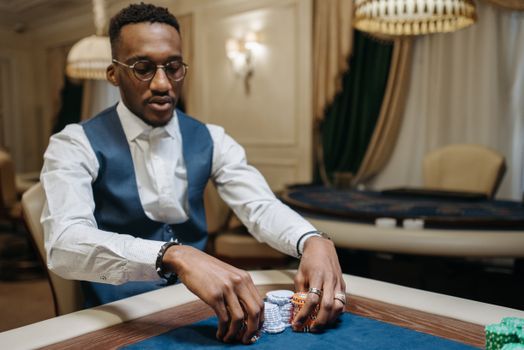
This psychological warfare is not limited to professionals. Even casual games among friends are shaped by subtle mind games, from feigned confidence to calculated silence. The tension between self-control and emotional expression often determines the outcome of a hand more than the cards themselves.
Emotional Regulation: The Art of Not Tilting
One of the most critical psychological skills in poker is emotional regulation, often referred to as avoiding "tilt." Tilt describes a state of frustration, anger, or emotional upheaval that leads to poor decision-making. According to a 2021 survey by the Global Poker Index, over 65% of regular poker players admit to having experienced tilt in the past month.
Emotional swings in poker can be triggered by bad beats, losing streaks, or even personal conflicts at the table. The most successful players develop robust strategies for managing these emotions:
- Mindful breathing and focus techniques to stay calm. - Pre-set stop-loss limits to avoid chasing losses. - Taking breaks after significant losses or emotional triggers.The consequences of failing to regulate emotions can be severe. In online poker, where players can play hundreds of hands per hour, a single tilt-induced session can erase days or weeks of steady gains. In live poker, visible frustration offers opponents valuable psychological leverage.
A famous example is Chris Moneymaker’s 2003 World Series of Poker run, where his calm demeanor in crucial moments, despite being an amateur, rattled more experienced opponents and ultimately led to his victory.
Reading Tells and Behavioral Cues
One of the most iconic aspects of poker is the concept of "tells"—subtle behavioral cues that reveal information about a player’s hand or intentions. While popular culture often exaggerates the significance of tells, scientific research supports their existence and impact.
A 2012 study published in Psychological Science found that players could predict the strength of opponents’ hands with 57% accuracy based on body language alone, compared to just 52% accuracy when relying solely on betting patterns. This suggests that, while not infallible, reading behavioral cues provides a modest but meaningful edge.
Common tells include:
- Shaking hands, indicating nervousness (often a strong or bluffing hand). - Changes in breathing or posture before a big bet. - Deliberate stillness, as players try to control their body language.However, skilled players are aware of these tells and may use them as reverse tells—consciously displaying behaviors to mislead opponents. The psychological depth is further compounded by online poker, where physical tells are replaced by timing patterns, chat behavior, and betting speed.
The Social Dynamics at the Table
Poker is not only an individual mental contest but also a social game. The dynamics among players at a table can have a significant psychological impact on decision-making and outcomes.
Players are constantly assessing each other’s skill level, psychological state, and social tendencies. For example, a table dominated by aggressive personalities can pressure more reserved players into making riskier decisions. Conversely, a table full of passive players may lead to more frequent bluffs and strategic plays from bolder participants.
Group psychology also affects risk perception. A 2018 analysis of live poker tournaments found that players were 22% more likely to make risky bets after seeing multiple opponents take aggressive actions in previous hands. This "herd behavior" mirrors phenomena observed in financial markets and underscores the importance of psychological adaptability.
The social aspect is further complicated by meta-gaming—where players remember past interactions and adjust their strategies accordingly. Over time, a player’s reputation for tight or loose play becomes a psychological factor that influences how others play against them.
Decision-Making Under Pressure
Poker is a game of incomplete information, and players must make high-stakes decisions under significant uncertainty and time pressure. Psychologists refer to this as "decision-making under risk," a process that is shaped by both rational analysis and cognitive biases.
Cognitive psychology identifies several common biases at play in poker, including:
- Confirmation bias: Seeking information that supports a desired outcome, such as convincing oneself an opponent is bluffing. - Loss aversion: The tendency to avoid losses more strongly than pursue equivalent gains, leading to overly cautious play. - Sunk cost fallacy: Continuing to invest in a hand because of previous bets, rather than objective assessment.These biases can be costly. According to a 2019 study in the Journal of Gambling Studies, players who acknowledged and actively countered their biases demonstrated win rates up to 18% higher than those who remained unaware of their psychological pitfalls.
Professional players often use structured thinking processes, such as hand range analysis and expected value calculations, to minimize the impact of bias. They also employ "cool-down" routines between hands to reset their mental state and avoid emotional carryover.
The following table summarizes key psychological factors in poker and their impact on outcomes:
| Psychological Factor | Description | Potential Impact |
|---|---|---|
| Emotional Regulation | Managing emotions to avoid tilt and impulsive decisions | Up to 30% improvement in long-term win rate |
| Reading Tells | Interpreting opponents’ physical or behavioral cues | 5-10% edge in critical hands |
| Social Dynamics | Adapting to group behavior and reputation effects | Influences risk-taking and strategic diversity |
| Cognitive Bias Awareness | Identifying and countering common mental errors | Up to 18% higher win rates |
Why Poker’s Psychological Depth Keeps Players Coming Back
The enduring popularity of poker is not merely due to its potential for monetary gain or the thrill of competition. Rather, it is the psychological depth—the ever-shifting interplay of mind games, emotional control, and social maneuvering—that makes each session unique and compelling.
For many, poker serves as a microcosm of real-life decision-making, offering both challenge and insight. The skills honed at the poker table—such as emotional resilience, interpreting others’ intentions, and managing uncertainty—are highly transferable to personal and professional contexts.
Moreover, as technology has brought poker to online platforms, the psychological landscape has evolved but remained just as rich. The absence of physical interaction has given rise to new forms of psychological warfare, from timing tells to strategic chat use. Whether online or in person, the mental battles of poker continue to enthrall new generations of players.
Understanding the psychology behind a poker game not only enhances your appreciation of the game but can also provide a decisive edge—whether you’re aiming for a tournament win or simply enjoying a night with friends.