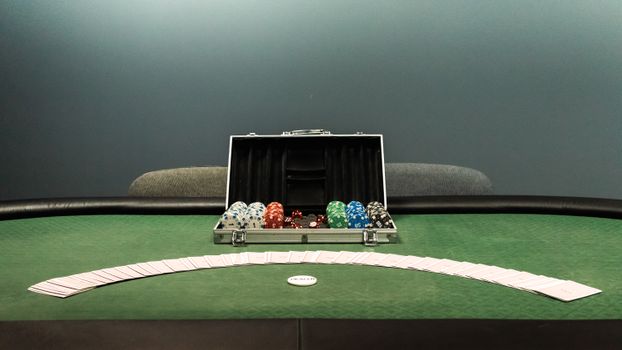
Poker is a game that blends psychology, mathematics, and strategy in a way few pursuits can match. The allure of the green felt table and the potential for big wins attract millions of new players each year. However, the road from novice to seasoned pro is paved with pitfalls. Even the most enthusiastic beginners often stumble into common errors that can cost them chips, confidence, and enjoyment. Understanding and avoiding these top ten mistakes can dramatically accelerate your learning curve and protect your bankroll. Let’s delve into the missteps most frequently made by new poker players—and how to sidestep them for a more successful journey at the tables.
The Dangers of Playing Too Many Hands
One of the most pervasive mistakes among new poker players is playing too many hands. The excitement of the game and the desire to be involved in every pot leads many beginners to call or raise with far weaker hands than they should.
Statistically, in Texas Hold’em—the world’s most popular poker variant—there are 1,326 possible starting hand combinations but only a small fraction are truly playable. According to a 2023 analysis by Upswing Poker, only about 15-20% of these starting hands are considered strong or playable from early positions. Yet, beginners often find themselves in over 40% of hands, far exceeding optimal ranges.
This mistake leads to difficult post-flop decisions and frequent losses. Playing more selectively—focusing on premium hands like AA, KK, QQ, and strong suited connectors—will immediately improve your results.
Failing to Pay Attention to Table Position
Another fundamental error is ignoring the importance of position at the poker table. Position determines when you act during a betting round, and it’s widely accepted among professionals that being "in position" (acting after your opponents) is a major advantage.
Data from PokerStrategy.com shows that players in late position (the dealer button and cutoff) win significantly more money over time than those in early position. For example, over 100,000 hands, late position players saw a win rate of +7.5 big blinds per 100 hands, while early position averaged -3.0.
Beginners, however, often play the same range of hands from any seat, not adjusting for the increased risk and lack of information when acting early. Learning to tighten up in early positions and loosen up in later positions is crucial for improving your win rate.
Mismanaging Bankroll and Bet Sizing
Poor bankroll management and incorrect bet sizing are among the costliest mistakes for beginner poker players. Many new players sit down at a table with too much or too little money relative to the blinds, or they make bets that are out of proportion to the pot.
The basic rule of thumb is to never risk more than 5% of your total bankroll on a single game or session. According to a 2021 study by CardPlayer Magazine, players who adhered to this principle lasted 2.5 times longer on average than those who didn’t.
Bet sizing is another area where beginners falter. Common mistakes include under-betting (making bets too small to force opponents to fold) and over-betting (risking too much with marginal hands). Proper bet sizing means betting enough to protect your hand and extract value while not risking your entire stack unnecessarily.
Here’s a quick comparative overview of good and bad bankroll management:
| Bankroll Management Style | Session Longevity (Avg. Hands) | Risk of Ruin (%) |
|---|---|---|
| Conservative (≤5% per session) | 1,800 | 5% |
| Moderate (10% per session) | 900 | 15% |
| Aggressive (≥20% per session) | 400 | 35% |
As the table shows, conservative management drastically lowers your risk of losing everything.
Overvaluing Hands and Chasing Losses
A classic pitfall for new players is overvaluing certain hands—especially big pairs or suited cards. While hands like pocket aces are statistically the strongest starting hand (winning about 77% of the time against a random hand), their value diminishes rapidly as more players enter the pot and more community cards are revealed.
Beginners often struggle to let go of hands like top pair or overpairs, even when it’s clear they’re beaten. This leads directly to the related mistake of “chasing” losses—calling large bets on the river in the vain hope that your hand is still good.
Emotional decision-making, also known as going "on tilt," is a significant risk factor. According to a 2022 survey by PokerNews, 68% of novice players admitted to chasing losses, resulting in an average bankroll loss of 22% per session when on tilt.
Learning to fold strong-looking hands when the situation calls for it is a hallmark of a skilled player.
Neglecting the Mathematics: Odds and Outs
Poker is a game of incomplete information, but mathematics play a vital role in decision making. Beginners often ignore the odds and probabilities that underpin every move.
For instance, when drawing to a flush (needing one more card of the same suit after the flop), you have a roughly 35% chance to complete your draw by the river. Yet, many beginners continue to call large bets without calculating whether the potential reward justifies the risk, a concept known as "pot odds."
Understanding pot odds, implied odds, and the number of "outs" (cards that can improve your hand) is essential. For example, if the pot is $100 and your opponent bets $50, you need to win at least 33% of the time for a call to be profitable. Failing to apply these calculations leads to costly errors over time.
Underestimating the Power of Observation and Adaptation
One of the least discussed but most impactful beginner mistakes is failing to pay attention to opponents’ tendencies and failing to adjust strategy accordingly. Many novices focus solely on their own cards and actions, missing valuable information about betting patterns, timing, and verbal or physical tells.
Seasoned players spend a significant portion of their time observing others at the table. For example, in a 2019 study of online poker games, players who actively tagged and tracked opponent behaviors increased their profit rate by 14% over 10,000 hands.
Adapting to your opponents—tightening up against aggressive players, or bluffing more against passive ones—can turn average hands into winning situations. Developing this observational skill, even at a basic level, can immediately set you apart from other beginners.
Final Thoughts on Beginner Poker Mistakes
Poker’s complexity is both its greatest charm and its biggest challenge. While luck is an undeniable factor, the most consistent winners are those who diligently learn from their missteps and continuously refine their approach. By avoiding these top ten mistakes—playing too many hands, ignoring position, mismanaging bankroll, overvaluing hands, neglecting math, and failing to observe opponents—beginners can greatly accelerate their improvement and enjoyment of the game.
Remember: every chip saved is as valuable as a chip won, and every lesson learned is a step closer to mastery. Commit to disciplined play, embrace the learning process, and watch your results improve hand after hand.