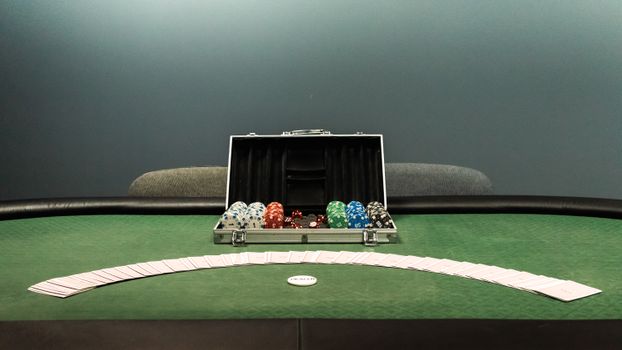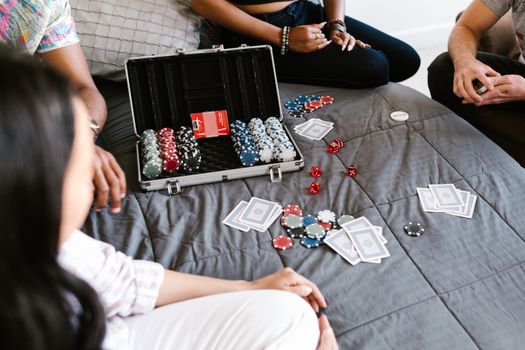
Stepping into the world of poker tournaments can be both exhilarating and intimidating, especially for beginners. While many are familiar with home games or casual online poker, tournaments introduce a fresh level of excitement, strategy, and competition. Whether you dream of playing in a local charity tournament or aspire to the bright lights of the World Series of Poker, understanding exactly how to participate is your first critical step. This guide will walk you through every stage, from choosing your first event to surviving your first break, ensuring you’re prepared for both the thrill and challenge of poker tournament play.
Understanding Poker Tournament Basics
Poker tournaments differ significantly from cash games, and knowing the fundamentals is key before you buy your first entry. In a tournament, everyone starts with the same number of chips, and the goal is to be the last player standing, having won all the chips in play. Unlike cash games, where you can rebuy at any time, once your chips are gone in a freezeout tournament, you’re out.
There are several types of poker tournaments:
- Freezeout: The most common type. Once you lose your chips, you’re eliminated. - Rebuy: Players can buy more chips within a limited time if they lose their stack. - Sit & Go: Small tournaments that begin as soon as all seats are filled, often online. - Multi-Table Tournaments (MTT): Large tournaments with multiple tables, which combine as players are eliminated.According to the World Poker Tour, more than 100 million people worldwide play poker, and a significant portion participate in tournaments, both live and online. In 2023, the World Series of Poker Main Event attracted a record 10,043 entrants, underscoring the popularity and accessibility of modern poker tournaments.
Choosing the Right Tournament for Beginners
Not all tournaments are created equal, and as a beginner, selecting the right format and buy-in level is crucial for a positive first experience. Here’s what to consider:
- Buy-in Amount: Beginner-friendly tournaments typically range from $10 to $100. Higher buy-ins attract more experienced players. - Structure: Look for “deep stack” or “slow structure” tournaments, which allow for more play and less luck-driven results. - Field Size: Smaller events (20-100 players) are less intimidating and offer a better chance to learn and succeed. - Location: Decide whether you want to play live (at a casino or poker club) or online. Live tournaments offer the thrill of in-person play, while online events provide convenience and a lower barrier to entry.Here’s a quick comparison of live and online tournaments for beginners:
| Factor | Live Tournament | Online Tournament |
|---|---|---|
| Atmosphere | Exciting, social, but can be intimidating | Comfortable, private, less pressure |
| Buy-in Range | $30–$500 (typical beginner range) | $1–$100 (many micro-stakes options) |
| Game Pace | Slower, more time for decisions | Faster, multiple tables possible |
| Learning Curve | Live tells, etiquette to learn | Focus on technical skills, less social nuance |
For your first tournament, consider starting online with a small buy-in or attending a local casino’s beginner-friendly event. Many casinos offer regular “new player” tournaments with lower stakes and a welcoming atmosphere.
Registering and Preparing for Your First Poker Tournament
Once you’ve selected your tournament, the next step is registration and preparation. For live events, registration is usually done at the casino’s poker desk, and you’ll need a valid ID and your buy-in amount in cash or chips. Online tournaments require an account with a reputable poker site and sufficient funds in your account.
Preparation is more than just signing up. Here are key steps to set yourself up for success:
1. $1 Each tournament has its own structure, blind levels, and payout format. Always review the specific rules before you play. 2. $1 For live events, arriving 30-60 minutes before the start allows you to register comfortably, find your seat, and settle in. 3. $1 For longer tournaments, bring a water bottle, snacks, and comfortable clothing. Casinos can be cold and seating can last for hours. 4. $1 Tournaments often involve scheduled breaks. Use these wisely for rest and refreshment.According to the Poker Tournament Directors Association, late registration is available for most events, but beginners are best served by starting on time to maximize play and avoid pressure from higher blinds.
Navigating Tournament Play: Strategies for Beginners
Poker tournaments require a blend of patience, discipline, and adaptability. Unlike cash games, chip values are fixed and the pressure increases as blinds rise.
Here are essential tips for beginner tournament play:
- $1 In the early stages, avoid getting involved with marginal hands. Preserve your chips and wait for strong holdings. - $1 Blinds increase at set intervals, forcing action. As the tournament progresses, you’ll need to be more aggressive to maintain your stack. - $1 Watch other players for patterns. Are they playing many hands or very few? Adjust your strategy accordingly. - $1 Lost pots are inevitable. Stay composed and avoid reckless “tilt” play. - $1 Don’t act out of turn, protect your cards, and be respectful to dealers and opponents. Good etiquette builds a positive reputation and avoids penalties.A fact worth noting: Most beginners are eliminated in the first third of a tournament due to over-aggressive play or mismanagement of their chip stack. A 2022 study by PokerStrategy.com found that 68% of first-time tournament players busted before the first break.
Understanding Tournament Progression: Surviving and Thriving
As you advance, the dynamics of the tournament shift. The middle and late stages require a different approach:
- $1 Now, the blinds matter more, and your stack relative to the blinds (known as “M-ratio”) becomes critical. With a medium or large stack, you can apply pressure. With a short stack, look for good spots to go all-in and double up. - $1 The “bubble” is the phase when only a few more eliminations remain before players reach the money. Many tighten up to ensure they cash, while aggressive players may steal blinds more effectively. - $1 Once you’ve made it past the bubble, play often loosens up. Prize jumps at each elimination can influence risk-taking.A useful tournament tip: The average player cashes in about 10-15% of tournaments entered. Consistency and patience are key to long-term success.
Dealing with Nerves and Staying Focused
It’s natural to feel nervous during your first tournament. The pressure of live play, the desire to perform well, and the possibility of making mistakes can all be overwhelming. Here are ways to manage your mindset:
- $1 Poker is a game of decisions, not speed. Pause before acting, especially in key moments. - $1 Even professionals make errors. Focus on learning from them rather than dwelling on results. - $1 In live events, put your phone away and stay engaged with the table. Online, play in a quiet environment. - $1 For your first few tournaments, focus on enjoying the experience and gaining knowledge. Results will improve with practice.According to a 2023 survey from CardPlayer Magazine, 57% of new tournament players reported feeling less anxious after their first three events, highlighting the value of repeated experience.
What Happens After the Tournament?
Whether you bust early, make a deep run, or even win, every tournament is a learning opportunity. Here’s how to make the most of your experience:
- $1 After the tournament, jot down memorable hands or tricky situations. Analyze your decisions or discuss them with friends or online communities. - $1 Keep a record of tournaments played, buy-ins, and cashes. This helps you track progress and manage your bankroll responsibly. - $1 Poker is a social game. Getting to know other players and staff can lead to tips, home games, and support as you improve.Remember, the journey to becoming a successful tournament player takes time. Even legends like Chris Moneymaker and Daniel Negreanu started as amateurs before achieving greatness. Your first tournament is just the beginning.
Final Tips for Beginner Poker Tournament Players
Participating in your first poker tournament is a milestone worth celebrating. By choosing the right event, preparing properly, and approaching play with patience and focus, you’ll set yourself up for a rewarding experience. Remember, poker tournaments are about more than just winning money—they’re an opportunity to challenge yourself, meet new people, and grow as a player.
Keep learning, stay positive, and above all, enjoy the ride. The world of tournament poker is vast and filled with excitement for those ready to take a seat at the table.